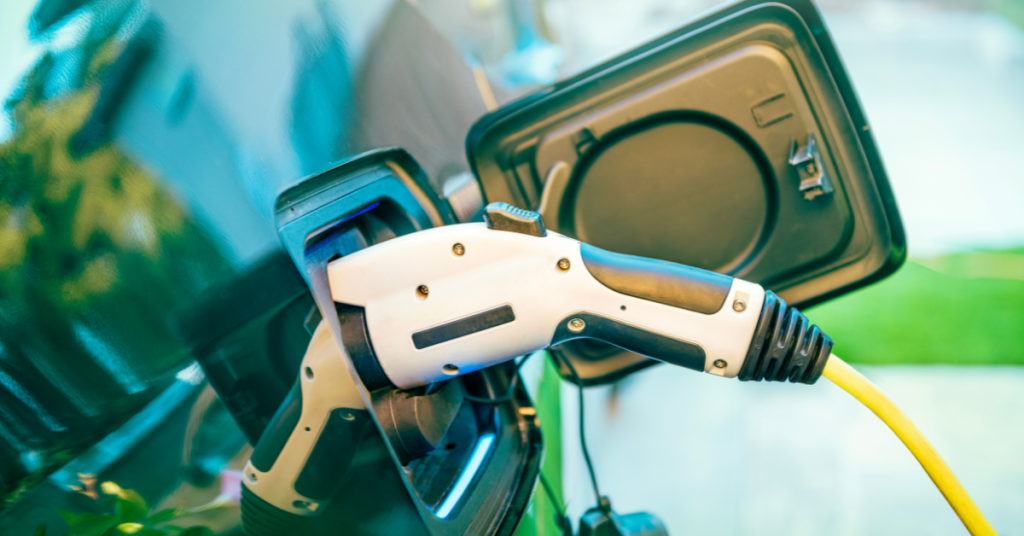
The discussion about emergency fleet transition to electric vehicles (EVs) has been heating up considerably, and even more since the annual and binding targets for Zero Emission Vehicle sales have come into force. That is why it’s important for us to talk about the various elements of the transition through sessions on the Sustainability Stage at this year’s Emergency Services Show.
For many of us, the discussion comes from an appreciation of the growing operational risk, recognising the sector needs to keep up with the vehicle manufacturers making a shift to EVs. This shift is happening at an accelerated pace and, if we are not ready to integrate increasing numbers of EVs in our fleet, we are not likely to be able to serve the public.
Last year, I had the privilege to document what professionals from 100+ emergency services saw as the key priorities to de-risk the emergency fleet transition and progress it at the pace required in a brief discussion paper. Overwhelmingly, it evidenced that the key priorities for all emergency services organisations are shared, and time is of essence. There are five areas of concern.
Grid infrastructure costs
Whether on site or public, the electrical infrastructure has to be in place before any EVs are procured, yet it is expensive and connections can take many years in some areas, which already affects emergency services’ sites. To make it even more complicated, the electricity network (‘grid’) operators do not know about the emergency services’ needs, and most of us are yet to assess our future electrical needs ourselves.
Unsurprisingly, the cost of the transition, and the funding for ‘grid’ infrastructure particularly was seen as the single biggest barrier to emergency fleet transition, recognising that current emergency services’ funding arrangements are insufficient to future-proof our sites (to both avoid operational risks and meet net zero targets). The representatives from police forces, fire and rescue services, and ambulance services agreed that multi-year, non-competitive funding that is ring-fenced for electrical network infrastructure investment would be the ideal solution for overcoming this challenge.
Skills and capacity gap
Linked to these complexities, the time, capacity, and capability required to plan for the transition is significant but not readily available in each organisation.
It was felt that a national funding stream for capacity building and for enhancing collaboration across the emergency services sector was needed, coupled with an agreed standard for resourcing workstreams related fleet transition and decarbonisation (linked to the fourth challenge below).
Resilience to power cuts
Resilience will look quite different when critical sites and fleets become all-electric, yet the risks associated with increased reliability on electricity for ensuring operational readiness are not well understood.
While this will begin to impact the emergency service sector only once a substantial proportion of operations become electrified, the Civil Contingencies Act and the net zero target both prompt us to consider this in advance. Likewise, the views of what is ‘essential’ or ‘critical’ for power restoration will be different across the emergency services, electricity networks, and the public.
Need for improved coordination across emergency services
The fourth key challenge was establishing the coordination within each type of service and also across all the emergency services. The consultees wanted to see service-specific workstreams – akin to the NHS – and cross-service working groups to help develop an emergency services’ charging network, ensure interoperability, and best practice sharing, however recognised the challenge of establishing these structures.
Material efficiencies and economies of scale can be developed if we work collaboratively – for example, considering shared rapid charging infrastructure hubs, jointly commissioning consultants, or forming external partnerships with other organisations to explore vehicle charging agreements and learning from those further ahead.
Specialist vehicle availability through the supply chain
The market share of emergency services vehicles is relatively small. In addition to continued and pro-active engagement with the vehicle manufacturers, there was a desire to see the sector working with the policy makers and public procurement organisations to identify and provide any support required to ensure the technological solutions and innovations are forthcoming via the supply chain.
Billy Andrew (EV Fleet Programme Manager, Police Scotland) and I will be exploring all the above at The Emergency Services Show – come along to the Sustainability Stage at 1000 on 19 September to continue the discussion.