As a powerful conduit for information, the media significantly impacts the public’s perception of law enforcement, so this means that building relationships with the media is critical for police forces not only in the UK but also in the United States.
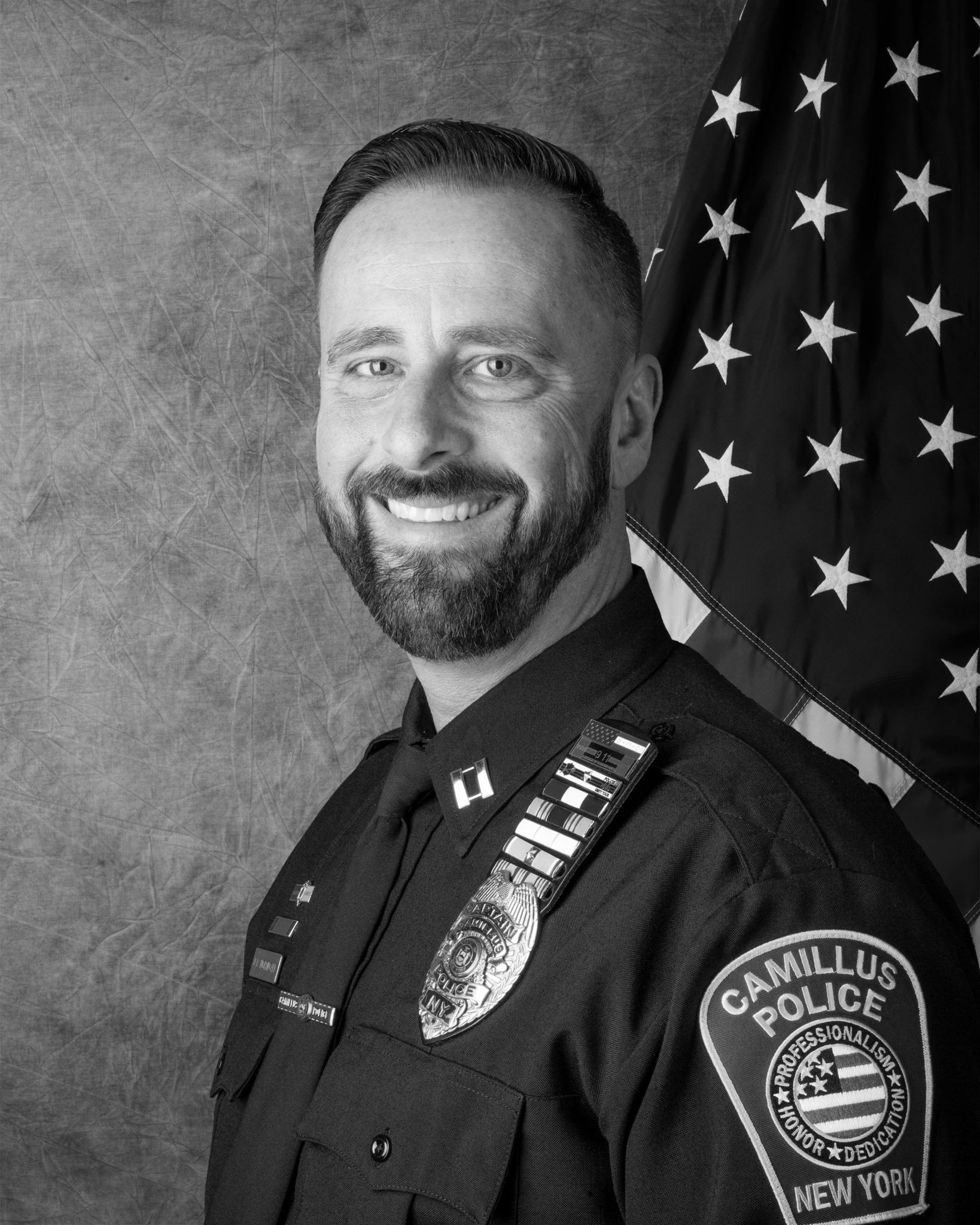
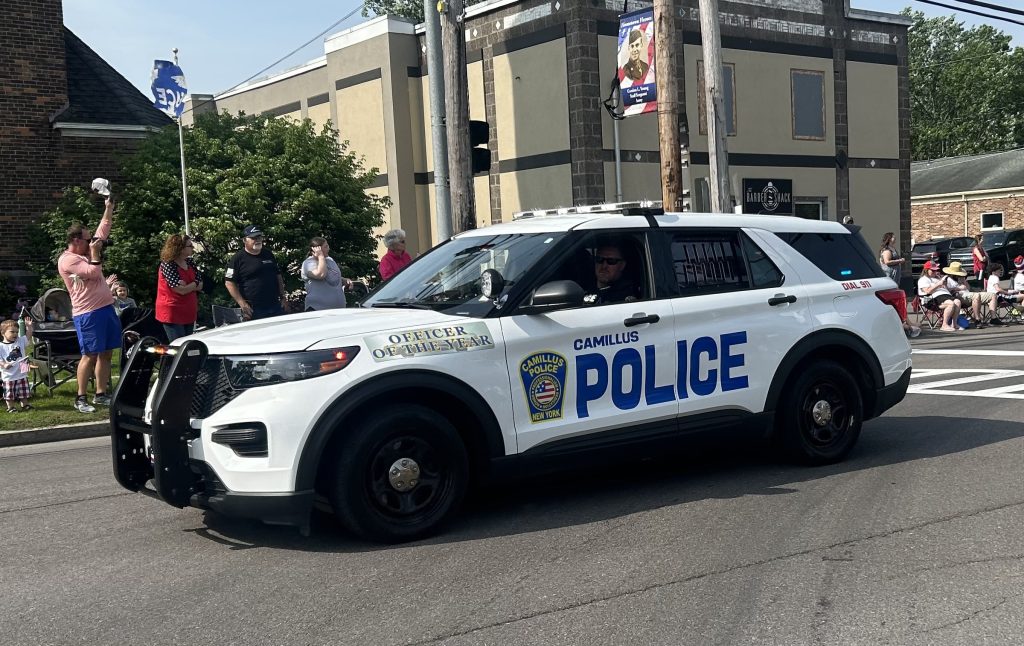
In today’s fast-paced, media-driven world, the relationship between police departments like mine in Camillus, New York and the media is critical to the success of law enforcement’s mission. Leaders must find ways to engage with the media community, whether traditional or digital, as they help shape public perceptions, influence the effectiveness of policing, and foster transparency and accountability within police departments.
I read with interest the report by Emergency Services Times from a recent Society of Editors conference where Rebecca Camber, Chair of the Crime Reporters Association (CRA), said: “police press offices need to do more to develop a relationship with the press, including sending out press releases and not simply referring journalists to their website.”
The media’s role in community policing
As a powerful conduit for information, the media significantly impacts the public’s perception of law enforcement. Local and national news outlets, social media, and community blogs serve as communication channels between police and their citizens. Media outlets can help organisations build trust within the community, engage the public with specific policing efforts, and highlight positive interactions between community members and officers.
On the other hand, negative media interaction or attention can destroy years of the hard work of community policing and stoke the flames of distrust while continuing to create barriers between the police and the public. Sharing stories highlighting police officers engaging with the youth in the community and schools or working alongside community groups will not only humanise those officers but also present them as mothers, fathers, sisters and brothers, and members of the community, rather than what they believe we are.
The Camillus experience
Recently, public information officers around Central New York, Town of Camillus, organised lunch with all local media outlets. Law enforcement leaders invited the executive producers and top investigative reporters, along with the chief/sheriff, to have a meet and greet. Two police chief organisations provided the food with the tables set up for everyone to collaborate and make connections as well as participating in a more formal Q&A session.
As a result, over 75 police and media professionals shared insights into what they do and came out with a better understanding of each other and their respective mission even if they did not agree on everything.
Law enforcement leaders recognise media outlets must strive to report fairly, accurately, and without sensationalising issues. Strengthening this collaboration with the media is the first step in the establishment of media relations teams between both the media and police departments. They can also help to build relationships with local media outlets, providing them with contact information about media and police members that will help with the resources they need to report police efforts and public safety issues and engage with diverse media outlets that reach different segments of the population.
Accountability
When law enforcement agencies are seen as secretive or unresponsive to public concerns, media coverage can quickly exacerbate negative sentiments. The media is the primary vehicle through which the public learns about investigations, disciplinary actions, or policy changes. When law enforcement leaders do not share what they can or if what they do share lacks substance, the media may report on rumours or speculation, which will fuel distrust and contribute to further divisions between the police and the community.
The speed at which information spreads on these platforms can create challenges for law enforcement agencies in managing misinformation, rumours, and inflammatory content.
For example, a viral video of an officer involved in a controversial incident can quickly dominate the media narrative often before all the facts are known. In such cases, police departments must act swiftly and responsibly to address the situation, provide clear and accurate information, and engage with the community through social media to restore trust.
Police and media collaboration
If department leaders or designated public information officers are not collaborating with all local media outlets, they must start today. Both must recognise roles in promoting public safety and fostering a positive relationship with the community. The continued ‘them vs. us’ approach will not work and will only end up with our agencies being portrayed in a negative light.
Having a community-based approach and remembering that, together, agencies and the media can build a stronger community creates a symbiotic relationship—one that can only enhance efforts to build trust and improve public safety. By working together, law enforcement agencies and the media can foster an environment of transparency, accountability, and positive engagement. Ultimately, both the profession of policing and the media must prioritise one common goal of promoting safer, more cohesive communities.
Read more – New report says the relationship between media and police is ‘broken and must be rebuilt.’