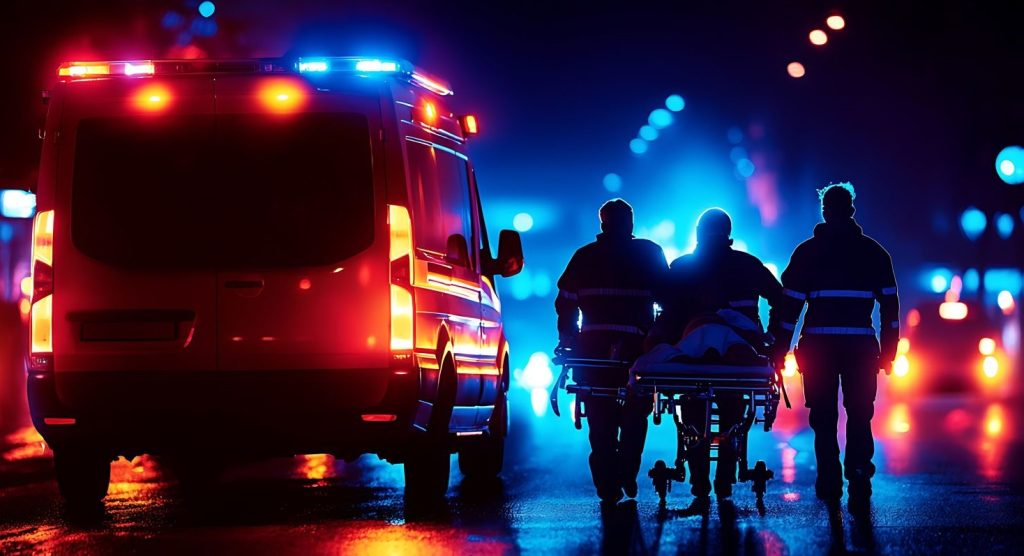
An ambulance crew races across kilometres of open countryside, only to find themselves stuck in traffic on a congested urban road with no easy detour. Or a paramedic arrives at the scene of an emergency, unaware that the patient has a life-threatening allergy. These are the challenges faced daily by emergency responders — challenges that are becoming increasingly common as call volumes rise.
Europe’s diverse geography, spanning bustling cities, rural villages, and remote mountain regions, presents its own unique set of challenges for emergency medical services (EMS). While the United Kingdom, European Union (EU) and neighbouring countries boast some of the most advanced healthcare systems in the world, ensuring timely and effective emergency care across such a varied landscape is no small feat.
From the sparsely populated highlands of Scotland to the densely populated urban centres of Paris or Berlin, EMS teams must adapt to local conditions while maintaining high standards of care.
The growing strain on emergency services is a shared concern across Europe. In 2023, the European Emergency Number Association (EENA) reported a steady rise in call volumes to 112 , the EU-wide emergency number.
This increase in demand, combined with staffing shortages, hospital overcrowding, and longer response times, has placed immense pressure on first responders. For example, in the UK, ambulance response times for high-priority 999 calls have frequently missed targets, while countries such as Italy and Spain have faced similar challenges in rural and remote regions.
Rising demands on emergency services
Emergency services across Europe are under growing strain due to aging populations, urbanisation, and the increasing frequency of extreme weather events linked to climate change. In urban areas, congestion is a persistent issue, with ambulances often delayed by traffic. Meanwhile, in rural and remote regions, long distances and limited resources can mean slower response times.
This growing demand raises an important question: can Europe’s emergency services continue to rely on traditional systems and methods when the pressures on responders are at an all-time high?
While technology cannot replace the expertise and intuition of trained paramedics, it can significantly enhance their ability to respond effectively. Across Europe, innovative tools like assistive AI, cloud-based systems and real-time data platforms are beginning to transform emergency response. These technologies can make a measurable difference in improving outcomes, particularly in areas where time and resources are critical.
For example, real-time data platforms, integrated with national databases, provide emergency responders with access to critical patient information, such as medical history, allergies and even GPS location, before they arrive on the scene. This is particularly valuable in rural areas or during large-scale emergencies, such as the 2023 wildfires in southern Europe, when resources are stretched thin.
AI-powered systems can also enhance decision-making by analysing vast amounts of data in real time. Dispatchers can use AI to prioritise calls, allocate resources more efficiently, and identify the nearest available paramedics or hospitals. During major incidents, such as the 2024 floods in Germany, such tools could have helped responders adapt more quickly to changing circumstances by identifying patterns in calls and resource availability.
Additionally, real-time traffic data and GPS routing can reduce travel times in congested urban areas, while tools like drone technology are being explored in countries like Switzerland to deliver critical medical supplies to remote regions.
Investment for the future
Investing in these technologies is not just about addressing today’s challenges – it’s about preparing for the future. Europe’s population is aging, with the proportion of people aged 65 and older expected to rise significantly by 2050. This demographic shift will increase the demand for emergency medical services, particularly for time-sensitive conditions such as heart attacks and strokes.
Meanwhile, extreme weather events, from heatwaves to floods, are becoming more frequent across the continent, further straining emergency services. By adopting advanced technologies now and moving towards more preventative health strategies (enabled by wearable monitoring devices) that are so effective in reducing emergencies amongst the older demographic, Europe can build a more resilient and adaptable EMS infrastructure capable of responding to these challenges.
While the initial investment in digital tools, AI systems, and infrastructure upgrades may seem substantial, the long-term benefits are clear. Streamlined operations, personal emergencies reduced, optimised staffing, and reduced response times can lead to significant cost savings over time. These tools can also improve staff retention by alleviating some of the stress and burnout experienced by paramedics and dispatchers.
Opportunity to lead
As countries across Europe embrace new technologies to support their emergency responders, there is an opportunity to lead the way in creating a more efficient, responsive, and resilient emergency medical services sector. By equipping paramedics and dispatch teams with cutting-edge tools, we can empower them to make faster, more informed decisions – ultimately saving lives and improving patient outcomes.
The dedication and expertise of Europe’s emergency responders are invaluable, but they cannot meet rising demands alone. By embracing innovation and investing in the future, European nations can ensure that their EMS systems remain robust and capable of delivering high-quality care to all citizens, whether they live in the heart of a bustling capital or a remote rural village.
The time to act is now – to modernise, to innovate, and to build a future where every second counts, and every life matters.
Read Hexagon’s latest white paper, Empowering public safety with AI.