• Newsletters
  • Webinars
  • Podcast
  • Reports
  • About
    • Advertising
    • Contact us
    • Team
    • Contributors
  • News
  • Frontline
    • Prevention
    • Resilience
    • Response
    • Recovery
    • Learning
  • Leadership
    • Strategy
    • Government
    • Culture
    • Communication
  • People and skills
    • People moves
    • Training
    • Apprenticeships
    • Diversity and inclusion
    • Mental health and wellbeing
    • Life stages
  • Products
    • PPE
    • Vehicles
    • Medical
    • Training
    • Operational
    • Technology
  • Sustainability
    • Infrastructure
    • Transport
    • Built environment
    • Net zero
    • Climate change
  • Technology
    • Command and control
    • Data
    • Hardware
    • Software and apps
    • Digital transformation
    • Mapping and navigation
X (Twitter) LinkedIn Instagram
  • Newsletters
  • Webinars
  • Podcast
  • Reports
  • About
    • Advertising
    • Contact us
    • Team
    • Contributors
LinkedIn Instagram
Emergency Services Times
  • News
  • Frontline
  • Leadership
  • People and skills
  • Products
  • Sustainability
  • Technology
Emergency Services Times
Home > Sustainability > Vegetable oil fuel trial cuts Cambridgeshire fleet emissions by 80%
Sustainability 3 December 2025

Vegetable oil fuel trial cuts Cambridgeshire fleet emissions by 80%

James Devonshire3 December 2025Updated:9 February 2026No Comments2 Mins Read
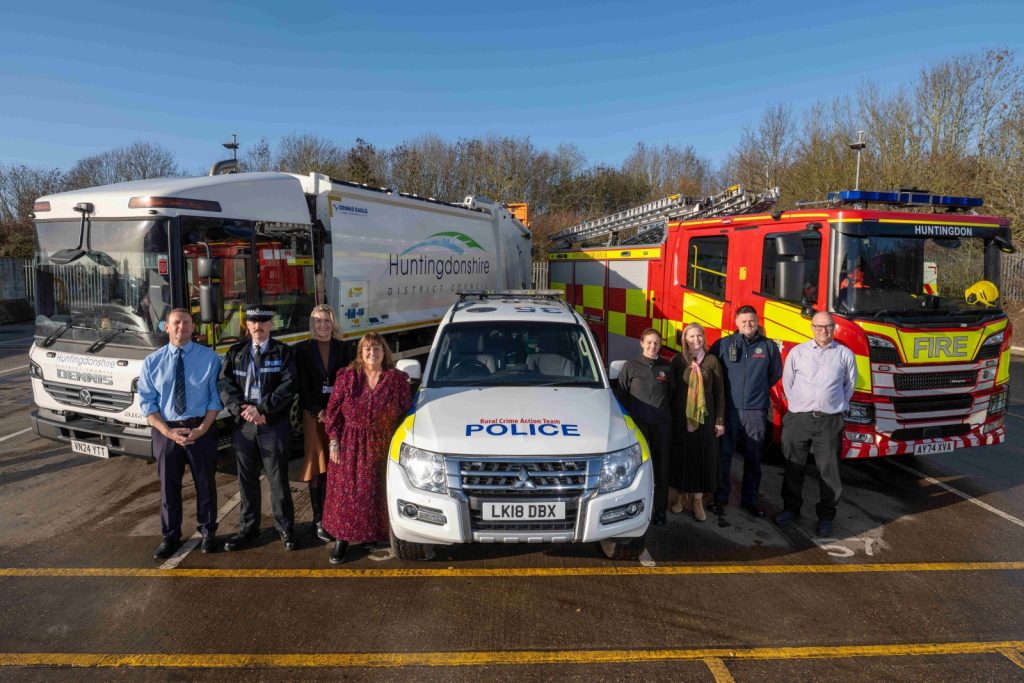
Image credit: Cambridgeshire Fire and Rescue Service.

A landmark trial led by Huntingdonshire District Council (HDC), in partnership with Cambridgeshire Fire and Rescue Service and Cambridgeshire Constabulary, has delivered an 80% reduction in carbon emissions from fleet vehicles, prompting the council to switch entirely to hydrotreated vegetable oil (HVO) fuel.

The eight-month pilot tested HVO across a range of HDC plant and machinery vehicles before councillors voted unanimously in September to adopt the renewable fuel across all 95 operational and pool fleet vehicles. With fleet activity responsible for more than a third of the council’s carbon footprint, the switch is expected to cut annual emissions by around 1,100 tonnes of CO₂ — a 30% overall reduction.

HVO, made from waste vegetable oils, can be used interchangeably with diesel, allowing vehicles to refuel anywhere without changes to performance or downtime. The council invited neighbouring emergency services to join the trial, with both police and fire teams taking part due to their proximity to HDC’s HVO storage tank at Eastfield House.

Seven police vehicles and a number of fire service vehicles ran on HVO during the trial. Both services reported identical performance compared with diesel, including on blue-light runs. For Cambridgeshire Fire and Rescue Service, the switch complements its wider sustainability programme and long-term ambition to cut emissions across its fleet. (You can read more about this in our related feature, Taking a closer look at Cambridgeshire’s green fire engines.)

Despite HVO being more expensive than diesel, both services have continued using it based on sustainability gains. Superintendent Robin Sissons said the ability to switch safely between diesel and HVO during operations “de-risked” the trial, while the fire service said running engines on HVO achieves more than an 80% emissions reduction.

HDC oversaw the trial’s logistics — purchasing, storing and providing 24/7 access to the fuel via a secure site. The council believes the partnership model could be replicated nationally, enabling public bodies to share fuel infrastructure, vehicle maintenance and staff training.

Council leader Cllr Sarah Conboy said the project shows how collaboration can accelerate practical climate action. “Climate change demands urgency, and this trial demonstrates that bold action is possible now,” she said.


To read similar articles, check out our Sustainability channel

Cambridgeshire Constabulary Cambridgeshire Fire and Rescue Emergency vehicles Fire Fleet Police Sustainability Vehicles

Continue reading: Fleet of the future

Sustainability

Welsh Government invests £23.1m in new ambulance and response vehicles

Lanna Deamer19 February 2026
Frontline

North East Ambulance Service to introduce white emergency ambulances

Lanna Deamer13 February 2026
Frontline ESS2026

Rethinking fleet for a changing emergency services landscape

Caitlin Barr9 February 2026
Share. LinkedIn Twitter Facebook Email
James Devonshire, News Editor of the Emergency Services Times

James Devonshire

  • View LinkedIn profile

James is the News Editor at Emergency Services Times. He is primarily responsible for looking after the Daily Digest and keeping the website fresh with the latest blue light sector stories.

All articles by James >

Stay informed

Sign up for our weekly newsletter with news, views and more.

Published by
Ninteen
Quick links
  • Privacy Policy
  • Cookie policy
  • About
  • Back issues
  • Contributors
  • Contact
In assocation with
The Emergency Services Show
The Emergency Tech Show
Certifications
The Emergency Tech Show
LinkedIn Instagram
  • Privacy Policy
  • Cookie policy
  • About
  • Back issues
  • Contributors
  • Contact
© 2026 Emergency Services Times.

Type above and press Enter to search. Press Esc to cancel.

Login